Fax over IP, or FoIP, sends and receives fax documents through an internet connection instead of a phone line, using a protocol such as T.38 to keep the transmission encrypted end to end. For remote and healthcare teams, FoIP provides the same HIPAA-compliant document exchange as a legacy fax machine, but from any device with the right login credentials. That difference lets employees handle protected health information from home, without emailing sensitive files or driving into the office to use a shared machine.
Modern technology has allowed companies to grow and develop in interesting directions. Specifically, the widespread availability of high-speed Internet has enabled many businesses to let their employees work from home. Remote workers are showing up in multiple different industries, with many employees espousing the benefits of being able to telecommute.
However, there are a few downsides to this telecommuting trend that must be considered if it is to continue. Most notably, allowing employees to access private company information from home is something of a challenge. With that in mind, why do so many employees want to telecommute and work from home, and what can businesses do about this?
“Between 80 and 90 percent of U.S. employees wish they could work from home.”
People want to work from home
In 2020, the pandemic hit. Remote work increased in organizations and in many industries that did not offer working from home. In 2024, Forbes.com reported that one in five workers work from home and at least 98% of workers expressed that they would like to work from home. They report there are many industries that can thrive with remote workers – IT , project managers, finance and health care are some of the industries on their list.
By sifting through data from the U.S. Census Bureau, GlobalWorkplaceAnalytics.com discovered that between 80 and 90 percent of U.S. employees wish they could work from home at least some of the time. What’s more, the analysis found that the number of employees who work from home has exploded 103 percent since 2005.
Clearly, this trend has gathered a lot of steam in recent years. In fact, a separate study conducted by Flexjobs supported this growth in telecommuting. The company, which creates an annual list of the top 100 companies looking for remote workers, found that the number of jobs that allow working from home increased 36 percent between 2015 and the previous year. Flexjobs tracked a 26 percent increase between 2013 and 2014, showing how quickly companies are realizing the benefits of this trend.
Certain industries have restrictions
Although there are a lot of advantages to allowing telecom employees to work from home, many industries have restrictions that pose a challenge to remote working. Perhaps the best example of this is health care, which is often mired by the Health Insurance Portability and Accountability Act. This compliance standard regulates the transfer of medical records, with very strict rules on how these documents can be moved around, such as HIPAA-compliant fax over IP.
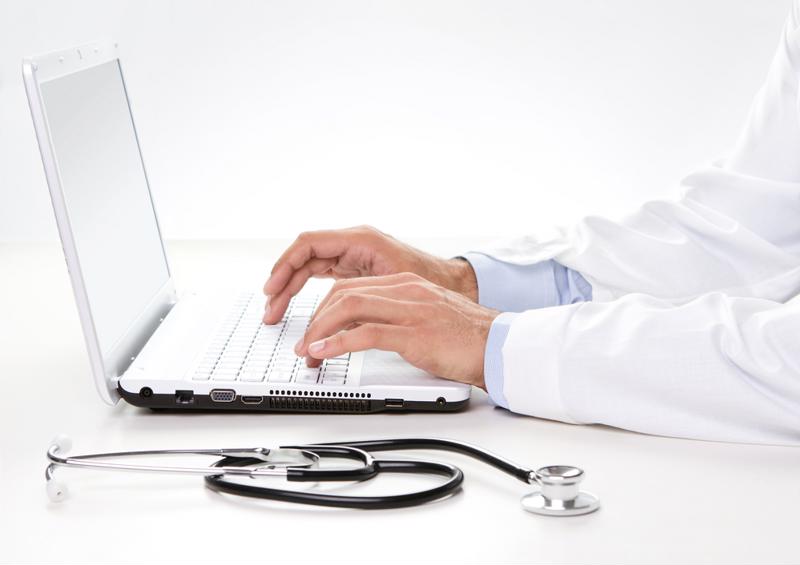 Health workers have a lot of restrictions on how they can send and receive medical information. This poses a huge challenge for remote workers in this field. As it stands, many medical facilities rely on legacy fax systems to move around sensitive healthcare information. While this certainly gets the job done in a way that complies with HIPAA, it limits the number of people who have access to this data. Remote workers can’t expect to drive into the office every time they need some important piece of information; however, emailing it to them simply isn’t an option.
This is disconcerting because Flexjobs found that the medical and healthcare field had the second-highest number of work-from-home jobs on their list. So how are these employees getting access to the medical records they require to do their jobs?
Industry reporting puts fax use at roughly 70 percent of healthcare organizations, even as recent breach data ties a large share of healthcare email incidents to weak or missing authentication controls, a gap that helps explain why many remote clinical teams still rely on HIPAA-compliant fax over IP to move sensitive records.
FoIP can ensure employees get the documents they need
One method healthcare facilities have begun to use is Fax over IP. Much like legacy fax machines, fax over IP is HIPAA-compliant and secure. However, unlike this outdated technology, FoIP can be accessed from any device with the necessary login credentials. This means that remote workers can get ahold of important medical documents from their home computer or personal smartphone, without ever having to set foot in the office.
Enhance enterprise communication, collaboration, and compliance efforts with a proven FoIP solution from FaxCore. Contact FaxCore today to learn more about their ‘Partly-Cloudy’ fax solutions.
Fax Over IP for Remote Teams: A HIPAA Compliance FAQ’s:
What is Fax over IP and how does it differ from a traditional fax line?
Fax over IP sends fax documents through an internet connection rather than a dedicated phone line, typically using the T.38 protocol to keep the transmission encrypted. A traditional fax line depends on physical phone infrastructure and a machine at each end, while FoIP works through software, so it can be accessed from a computer, tablet, or phone. The result is the same document delivery, without the cost of maintaining phone lines or standalone fax hardware.
Can remote employees send and receive faxes from home using FoIP?
Yes. Because Fax over IP runs through an internet connection instead of a dedicated phone line, remote employees can send and receive faxes from a home computer, laptop, or smartphone using their normal login credentials. This lets healthcare and other regulated teams keep working with fax-dependent partners and systems without needing physical access to an office fax machine or a landline.
Is Fax over IP HIPAA-compliant for healthcare organizations?
Yes, when implemented correctly. Fax over IP using a protocol such as T.38 encrypts the transmission and typically avoids storing protected health information before it sends, which helps satisfy the HIPAA Security Rule’s transmission security requirements. Compliance still depends on the vendor’s specific setup, including access controls, logging, and encryption in transit, so healthcare organizations should confirm these details with their FoIP provider rather than assume compliance is automatic.
Why do so many employees want to work from home?
Working from home removes the daily commute, which studies tie to significant time savings and lower stress, and it lets employees start their day without changing their routine. National surveys have repeatedly found that a large majority of U.S. workers would choose to work remotely at least part of the time if given the option, and hybrid arrangements have become the most common setup among employees whose roles allow it.
Which industries face the most restrictions on remote document access?
Healthcare is one of the most restricted industries, since HIPAA sets strict rules for how medical records move between systems and people. Financial services and legal work face similar restrictions tied to data privacy regulations. In each of these fields, employees cannot simply email sensitive files, which is part of why compliant channels such as Fax over IP remain common for remote document exchange.
Is fax over IP more secure than emailing sensitive documents?
Fax over IP and email serve a similar purpose, but they carry different risk profiles. A properly configured FoIP connection encrypts the transmission and often avoids storing the document before delivery, while email remains a common target for phishing, spoofing, and account takeover attempts. Neither channel is automatically secure, but FoIP removes some of the entry points attackers rely on when they target a shared inbox.
What equipment do remote employees need to use FoIP?
Unlike a legacy fax machine, Fax over IP does not require dedicated hardware. Employees generally need only a device with an internet connection, such as a laptop or smartphone, and login credentials for the FoIP platform. Faxes are sent and received through a web portal, application, or email-to-fax gateway, which is why FoIP is often described as more accessible for remote and hybrid teams than traditional fax lines.
How does FoIP compare to legacy on-premises fax machines for compliance?
Legacy fax machines can meet HIPAA requirements, but they limit access to whoever is physically present at the machine and often lack the audit trail that regulators expect. Fax over IP is designed to match that compliance baseline while adding device flexibility, since authorized employees can send and receive faxes from any location. For distributed or remote teams, this makes FoIP a more practical way to stay compliant without sacrificing access.
Read additional frequently asked questions.